Nutraceuticals – Overview and Safety Compliances

← Back to Research & Innovation
Research Article | Vol 1, Issue 1

Nutraceuticals – Overview and Safety Compliances
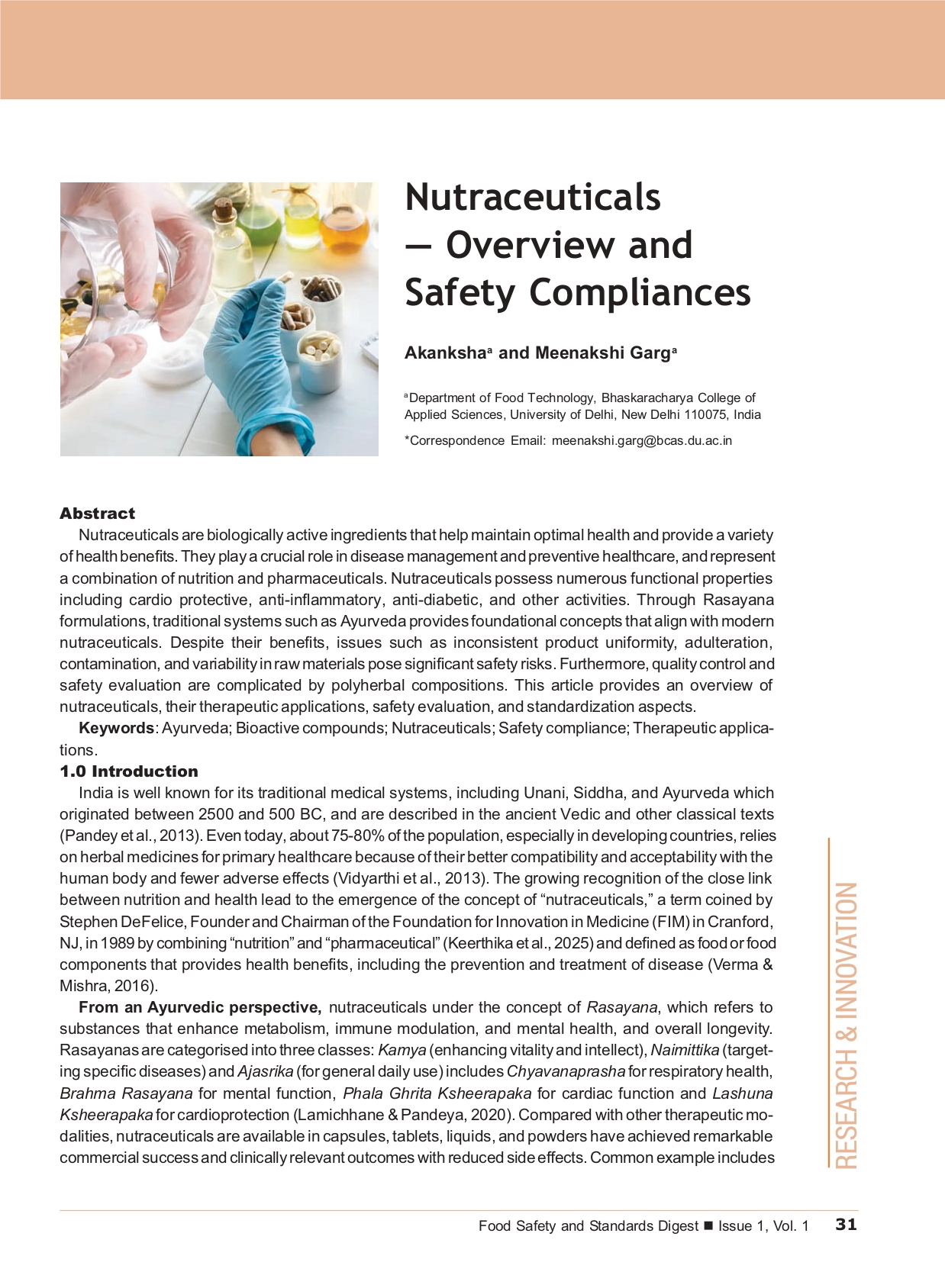
Nutraceuticals

Abstract

Nutraceuticals are biologically active ingredients that help maintain optimal health and provide a variety of health benefits. They play a crucial role in disease management and preventive healthcare, and represent a combination of nutrition and pharmaceuticals. Nutraceuticals possess numerous functional properties including cardio protective, anti-inflammatory, anti-diabetic, and other activities. Through Rasayana formulations, traditional systems such as Ayurveda provides foundational concepts that align with modern nutraceuticals. Despite their benefits, issues such as inconsistent product uniformity, adulteration, contamination, and variability in raw materials pose significant safety risks. Furthermore, quality control and safety evaluation are complicated by polyherbal compositions. This article provides an overview of nutraceuticals, their therapeutic applications, safety evaluation, and standardization aspects.

Keywords: Ayurveda; Bioactive Compounds; Nutraceuticals; Safety Compliance; Therapeutic Applications

1.0 Introduction

India is well known for its traditional medical systems, including Unani, Siddha, and Ayurveda which originated between 2500 and 500 BC, and are described in the ancient Vedic and other classical texts (Pandey et al., 2013). Even today, about 75–80% of the population, especially in developing countries, relies on herbal medicines for primary healthcare because of their better compatibility and acceptability with the human body and fewer adverse effects (Vidyarthi et al., 2013). The growing recognition of the close link between nutrition and health lead to the emergence of the concept of "nutraceuticals," a term coined by Stephen DeFelice, Founder and Chairman of the Foundation for Innovation in Medicine (FIM) in Cranford, NJ, in 1989 by combining "nutrition" and "pharmaceutical" (Keerthika et al., 2025) and defined as food or food components that provides health benefits, including the prevention and treatment of disease (Verma & Mishra, 2016).

From an Ayurvedic perspective, nutraceuticals fall under the concept of Rasayana, which refers to substances that enhance metabolism, immune modulation, and mental health, and overall longevity. Rasayanas are categorised into three classes: Kamya (enhancing vitality and intellect), Naimittika (targeting specific diseases) and Ajasrika (for general daily use) — includes Chyavanaprasha for respiratory health, Brahma Rasayana for mental function, Phala Ghrita Ksheerapaka for cardiac function and Lashuna Ksheerapaka for cardioprotection (Lamichhane & Pandeya, 2020). Compared with other therapeutic modalities, nutraceuticals are available in capsules, tablets, liquids, and powders and have achieved remarkable commercial success and clinically relevant outcomes with reduced side effects. Common examples include Omega-3-enriched yoghurts, calcium-enriched orange juice and green tea which are widely consumed as functional foods, and beverages that exhibit therapeutic benefits against diabetes, cancer, cardiovascular diseases, chronic disorders, neurodegenerative diseases, and other conditions.

The development of novel ingredients and formulations requires the sustainable and health-oriented utilization of food side streams. Overall, nutraceuticals serve as a vital bridge between food and medicine, offering preventive and supportive strategies against chronic diseases, with strong roots in Ayurveda and supported by growing scientific validation of their therapeutic potential. This article provides a contextual basis for understanding the importance, classification, and applications of nutraceuticals in modern health and wellness and safety concern and risk factors of nutraceuticals.

2.0 Classification of Nutraceuticals

2.1 Nutraceuticals Based on Food Availability

2.1.1 Traditional Nutraceuticals

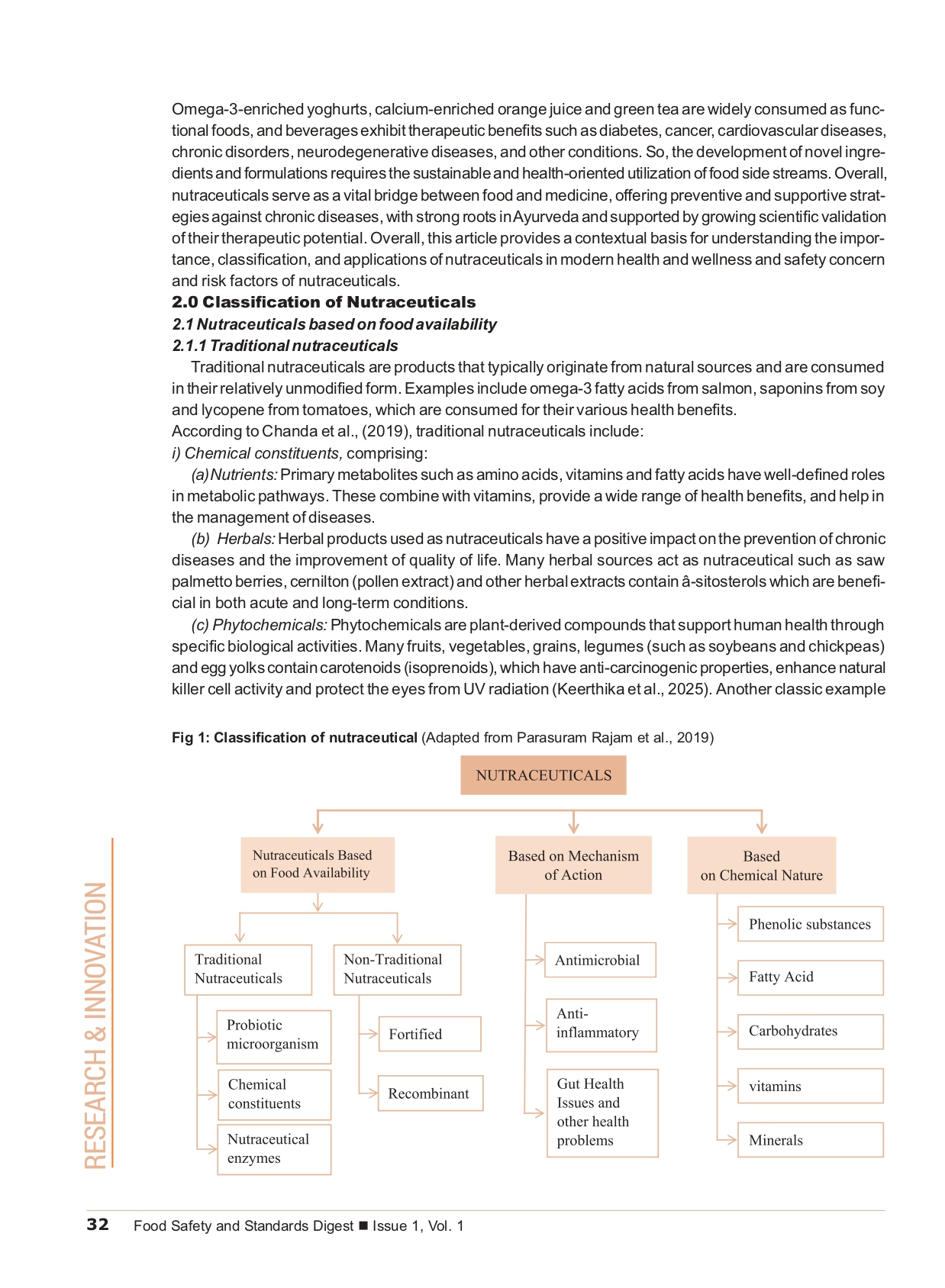
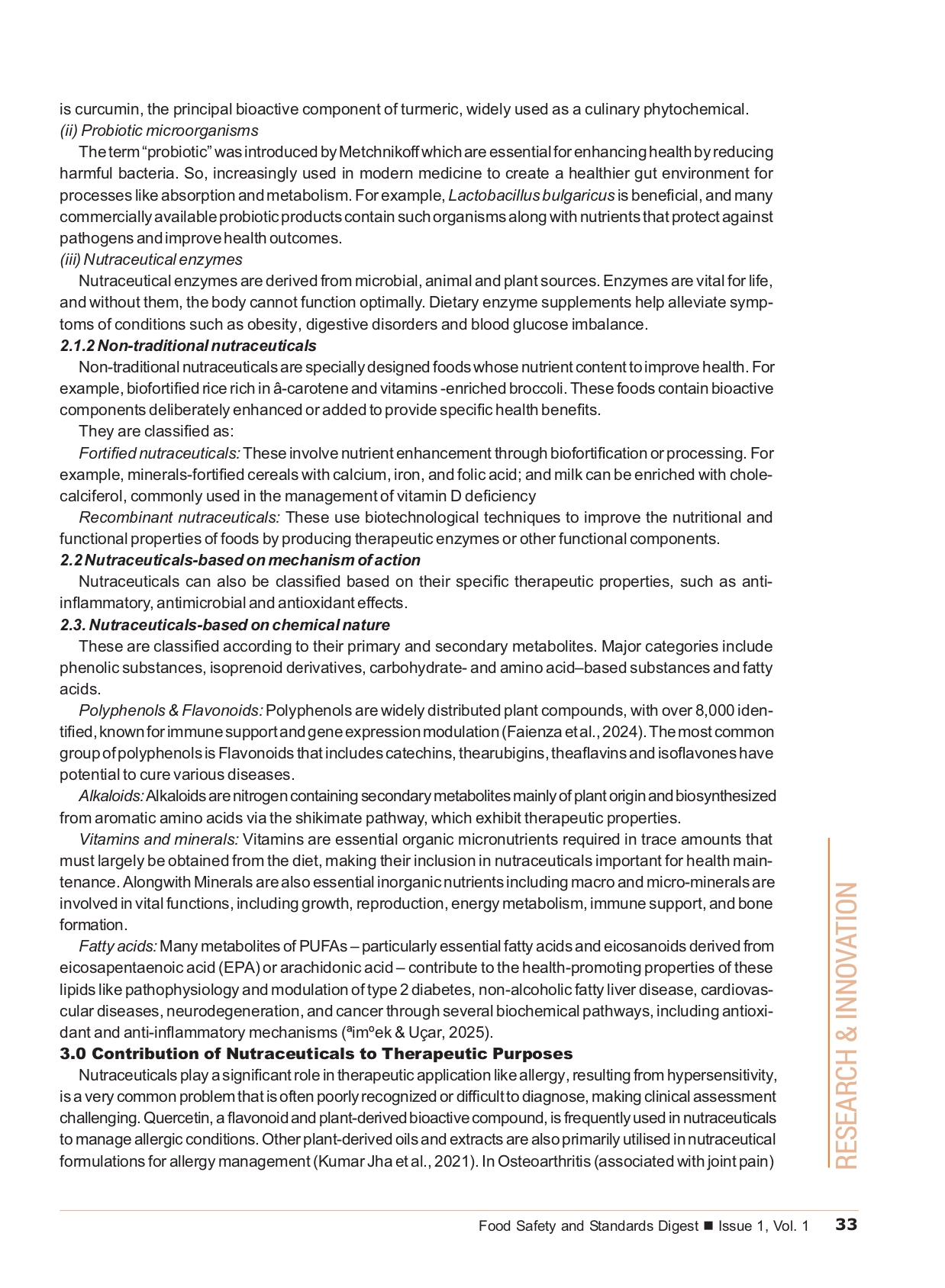
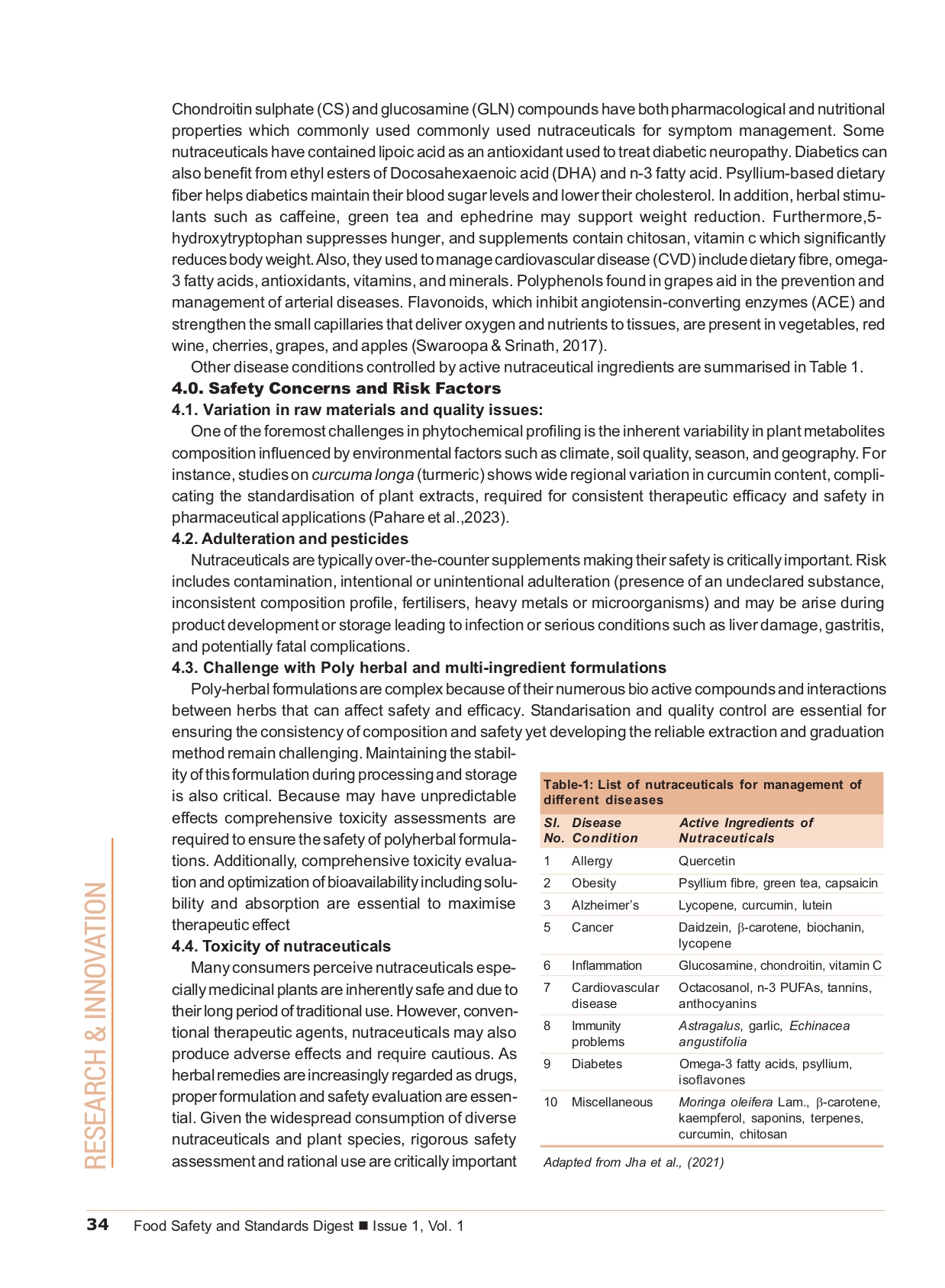
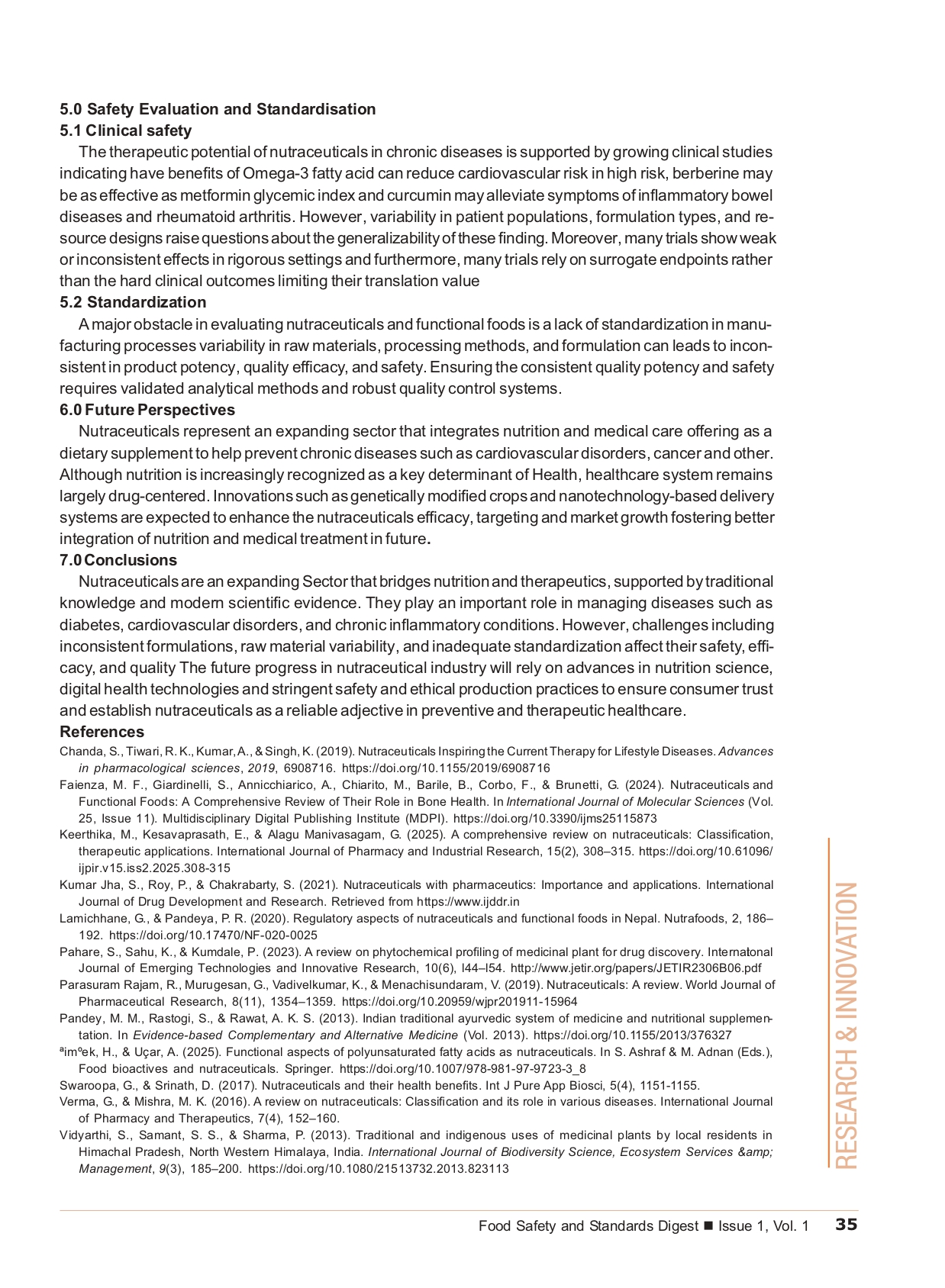
Traditional nutraceuticals are products that typically originate from natural sources and are consumed in their relatively unmodified form. Examples include omega-3 fatty acids from salmon, saponins from soy and lycopene from tomatoes, which are consumed for their various health benefits.

According to Chanda et al. (2019), traditional nutraceuticals include:

i) Chemical constituents, comprising:

ii) Probiotic Microorganisms

The term "probiotic" was introduced by Metchnikoff which are essential for enhancing health by reducing harmful bacteria. They are increasingly used in modern medicine to create a healthier gut environment for processes like absorption and metabolism. For example, Lactobacillus bulgaricus is beneficial, and many commercially available probiotic products contain such organisms along with nutrients that protect against pathogens and improve health outcomes.

iii) Nutraceutical Enzymes

Nutraceutical enzymes are derived from microbial, animal and plant sources. Enzymes are vital for life, and without them, the body cannot function optimally. Dietary enzyme supplements help alleviate symptoms of conditions such as obesity, digestive disorders and blood glucose imbalance.

2.1.2 Non-Traditional Nutraceuticals

Non-traditional nutraceuticals are specially designed foods whose nutrient content is enhanced to improve health. For example, biofortified rice rich in β-carotene and vitamin-enriched broccoli. These foods contain bioactive components deliberately enhanced or added to provide specific health benefits.

They are classified as:

2.2 Nutraceuticals Based on Mechanism of Action

Nutraceuticals can also be classified based on their specific therapeutic properties, such as anti-inflammatory, antimicrobial and antioxidant effects.

2.3 Nutraceuticals Based on Chemical Nature

These are classified according to their primary and secondary metabolites. Major categories include phenolic substances, isoprenoid derivatives, carbohydrate- and amino acid–based substances and fatty acids.

3.0 Contribution of Nutraceuticals to Therapeutic Purposes

Nutraceuticals play a significant role in therapeutic applications. Allergy, resulting from hypersensitivity, is a very common problem that is often poorly recognized or difficult to diagnose, making clinical assessment challenging. Quercetin, a flavonoid and plant-derived bioactive compound, is frequently used in nutraceuticals to manage allergic conditions. Other plant-derived oils and extracts are also primarily utilised in nutraceutical formulations for allergy management (Kumar Jha et al., 2021).

In Osteoarthritis (associated with joint pain), Chondroitin sulphate (CS) and glucosamine (GLN) compounds have both pharmacological and nutritional properties and are commonly used nutraceuticals for symptom management. Some nutraceuticals have contained lipoic acid as an antioxidant used to treat diabetic neuropathy. Diabetics can also benefit from ethyl esters of Docosahexaenoic acid (DHA) and n-3 fatty acid. Psyllium-based dietary fibre helps diabetics maintain their blood sugar levels and lower their cholesterol.

In addition, herbal stimulants such as caffeine, green tea and ephedrine may support weight reduction. Furthermore, 5-hydroxytryptophan suppresses hunger, and supplements containing chitosan and vitamin C significantly reduce body weight. They are also used to manage cardiovascular disease (CVD) including dietary fibre, omega-3 fatty acids, antioxidants, vitamins, and minerals. Polyphenols found in grapes aid in the prevention and management of arterial diseases. Flavonoids, which inhibit angiotensin-converting enzymes (ACE) and strengthen the small capillaries that deliver oxygen and nutrients to tissues, are present in vegetables, red wine, cherries, grapes, and apples (Swaroopa & Srinath, 2017).

Other disease conditions controlled by active nutraceutical ingredients are summarised in Table 1.

Table 1: List of Nutraceuticals for Management of Different Diseases
Sl. No. Disease Condition Active Ingredients of Nutraceuticals
1AllergyQuercetin
2ObesityPsyllium fibre, green tea, capsaicin
3Alzheimer'sLycopene, curcumin, lutein
5CancerDaidzein, β-carotene, biochanin, lycopene
6InflammationGlucosamine, chondroitin, vitamin C
7Cardiovascular diseaseOctacosanol, n-3 PUFAs, tannins, anthocyanins
8Immunity problemsAstragalus, garlic, Echinacea angustifolia
9DiabetesOmega-3 fatty acids, psyllium, isoflavones
10MiscellaneousMoringa oleifera Lam., β-carotene, kaempferol, saponins, terpenes, curcumin, chitosan

Adapted from Jha et al. (2021)

4.0 Safety Concerns and Risk Factors

4.1 Variation in Raw Materials and Quality Issues

One of the foremost challenges in phytochemical profiling is the inherent variability in plant metabolite composition influenced by environmental factors such as climate, soil quality, season, and geography. For instance, studies on Curcuma longa (turmeric) show wide regional variation in curcumin content, complicating the standardisation of plant extracts, required for consistent therapeutic efficacy and safety in pharmaceutical applications (Pahare et al., 2023).

4.2 Adulteration and Pesticides

Nutraceuticals are typically over-the-counter supplements making their safety critically important. Risk includes contamination, intentional or unintentional adulteration (presence of an undeclared substance, inconsistent composition profile, fertilisers, heavy metals or microorganisms) and may arise during product development or storage leading to infection or serious conditions such as liver damage, gastritis, and potentially fatal complications.

4.3 Challenge with Polyherbal and Multi-Ingredient Formulations

Poly-herbal formulations are complex because of their numerous bioactive compounds and interactions between herbs that can affect safety and efficacy. Standardisation and quality control are essential for ensuring the consistency of composition and safety, yet developing reliable extraction and graduation methods remain challenging. Maintaining the stability of these formulations during processing and storage is also critical, as they may have unpredictable effects. Comprehensive toxicity assessments are required to ensure the safety of polyherbal formulations. Additionally, comprehensive toxicity evaluation and optimization of bioavailability including solubility and absorption are essential to maximise therapeutic effect.

4.4 Toxicity of Nutraceuticals

Many consumers perceive nutraceuticals, especially medicinal plants, as inherently safe due to their long period of traditional use. However, like conventional therapeutic agents, nutraceuticals may also produce adverse effects and require caution. As herbal remedies are increasingly regarded as drugs, proper formulation and safety evaluation are essential. Given the widespread consumption of diverse nutraceuticals and plant species, rigorous safety assessment and rational use are critically important.

5.0 Safety Evaluation and Standardisation

5.1 Clinical Safety

The therapeutic potential of nutraceuticals in chronic diseases is supported by growing clinical studies indicating benefits: Omega-3 fatty acid can reduce cardiovascular risk in high risk patients, berberine may be as effective as metformin for glycemic index control, and curcumin may alleviate symptoms of inflammatory bowel diseases and rheumatoid arthritis. However, variability in patient populations, formulation types, and research designs raise questions about the generalizability of these findings. Moreover, many trials show weak or inconsistent effects in rigorous settings, and furthermore, many trials rely on surrogate endpoints rather than hard clinical outcomes, limiting their translational value.

5.2 Standardization

A major obstacle in evaluating nutraceuticals and functional foods is a lack of standardization in manufacturing processes. Variability in raw materials, processing methods, and formulation can lead to inconsistency in product potency, quality, efficacy, and safety. Ensuring consistent quality, potency and safety requires validated analytical methods and robust quality control systems.

6.0 Future Perspectives

Nutraceuticals represent an expanding sector that integrates nutrition and medical care, offering dietary supplements to help prevent chronic diseases such as cardiovascular disorders, cancer and others. Although nutrition is increasingly recognized as a key determinant of health, healthcare systems remain largely drug-centered. Innovations such as genetically modified crops and nanotechnology-based delivery systems are expected to enhance nutraceutical efficacy, targeting and market growth, fostering better integration of nutrition and medical treatment in the future.

7.0 Conclusions

Nutraceuticals are an expanding sector that bridges nutrition and therapeutics, supported by traditional knowledge and modern scientific evidence. They play an important role in managing diseases such as diabetes, cardiovascular disorders, and chronic inflammatory conditions. However, challenges including inconsistent formulations, raw material variability, and inadequate standardization affect their safety, efficacy, and quality. Future progress in the nutraceutical industry will rely on advances in nutrition science, digital health technologies and stringent safety and ethical production practices to ensure consumer trust and establish nutraceuticals as a reliable adjunct in preventive and therapeutic healthcare.

References

Chanda, S., Tiwari, R. K., Kumar, A., & Singh, K. (2019). Nutraceuticals inspiring the current therapy for lifestyle diseases. Advances in Pharmacological Sciences, 2019, 6908716. https://doi.org/10.1155/2019/6908716

Faienza, M. F., Giardinelli, S., Annicchiarico, A., Chiarito, M., Barile, B., Corbo, F., & Brunetti, G. (2024). Nutraceuticals and functional foods: A comprehensive review of their role in bone health. International Journal of Molecular Sciences, 25(11). https://doi.org/10.3390/ijms25115873

Keerthika, M., Kesavaprasath, E., & Alagu Manivasagam, G. (2025). A comprehensive review on nutraceuticals: Classification, therapeutic applications. International Journal of Pharmacy and Industrial Research, 15(2), 308–315. https://doi.org/10.61096/ijpir.v15.iss2.2025.308-315

Kumar Jha, S., Roy, P., & Chakrabarty, S. (2021). Nutraceuticals with pharmaceutics: Importance and applications. International Journal of Drug Development and Research.

Lamichhane, G., & Pandeya, P. R. (2020). Regulatory aspects of nutraceuticals and functional foods in Nepal. Nutrafoods, 2, 186–192. https://doi.org/10.17470/NF-020-0025

Pahare, S., Sahu, K., & Kumdale, P. (2023). A review on phytochemical profiling of medicinal plant for drug discovery. International Journal of Emerging Technologies and Innovative Research, 10(6), l44–l54.

Parasuram Rajam, R., Murugesan, G., Vadivelkumar, K., & Menachisundaram, V. (2019). Nutraceuticals: A review. World Journal of Pharmaceutical Research, 8(11), 1354–1359. https://doi.org/10.20959/wjpr201911-15964

Pandey, M. M., Rastogi, S., & Rawat, A. K. S. (2013). Indian traditional ayurvedic system of medicine and nutritional supplementation. Evidence-based Complementary and Alternative Medicine, 2013. https://doi.org/10.1155/2013/376327

Şimşek, H., & Uçar, A. (2025). Functional aspects of polyunsaturated fatty acids as nutraceuticals. In S. Ashraf & M. Adnan (Eds.), Food bioactives and nutraceuticals. Springer. https://doi.org/10.1007/978-981-97-9723-3_8

Swaroopa, G., & Srinath, D. (2017). Nutraceuticals and their health benefits. Int J Pure App Biosci, 5(4), 1151–1155.

Verma, G., & Mishra, M. K. (2016). A review on nutraceuticals: Classification and its role in various diseases. International Journal of Pharmacy and Therapeutics, 7(4), 152–160.

Vidyarthi, S., Samant, S. S., & Sharma, P. (2013). Traditional and indigenous uses of medicinal plants by local residents in Himachal Pradesh, North Western Himalaya, India. International Journal of Biodiversity Science, Ecosystem Services & Management, 9(3), 185–200. https://doi.org/10.1080/21513732.2013.823113

Author Biography

Akanksha and Meenakshi Garg

Department of Food Technology, Bhaskaracharya College of Applied Sciences, University of Delhi, New Delhi 110075, India

Correspondence Email: meenakshi.garg@bcas.du.ac.in