Abstract
India, the world's largest producer and exporter of spices, contributes significantly to the global spice industry. Spices, derived from various plant parts, offer diverse flavors and potential health benefits due to their bioactive compounds. Consumers can maximize their culinary and health experiences by understanding spice varieties, forms, and proper storage methods. The food industry utilizes spices for their functional properties, including preservation, coloring, and antimicrobial capabilities. Spices are gaining prominence as natural preservatives, offering an alternative to synthetic additives. However, the spice industry faces challenges related to food safety and authenticity, particularly due to economically motivated adulteration.
Keywords: Spices; Food Safety; Adulteration; Bioactive Compounds; Natural Preservatives
1.0 Introduction
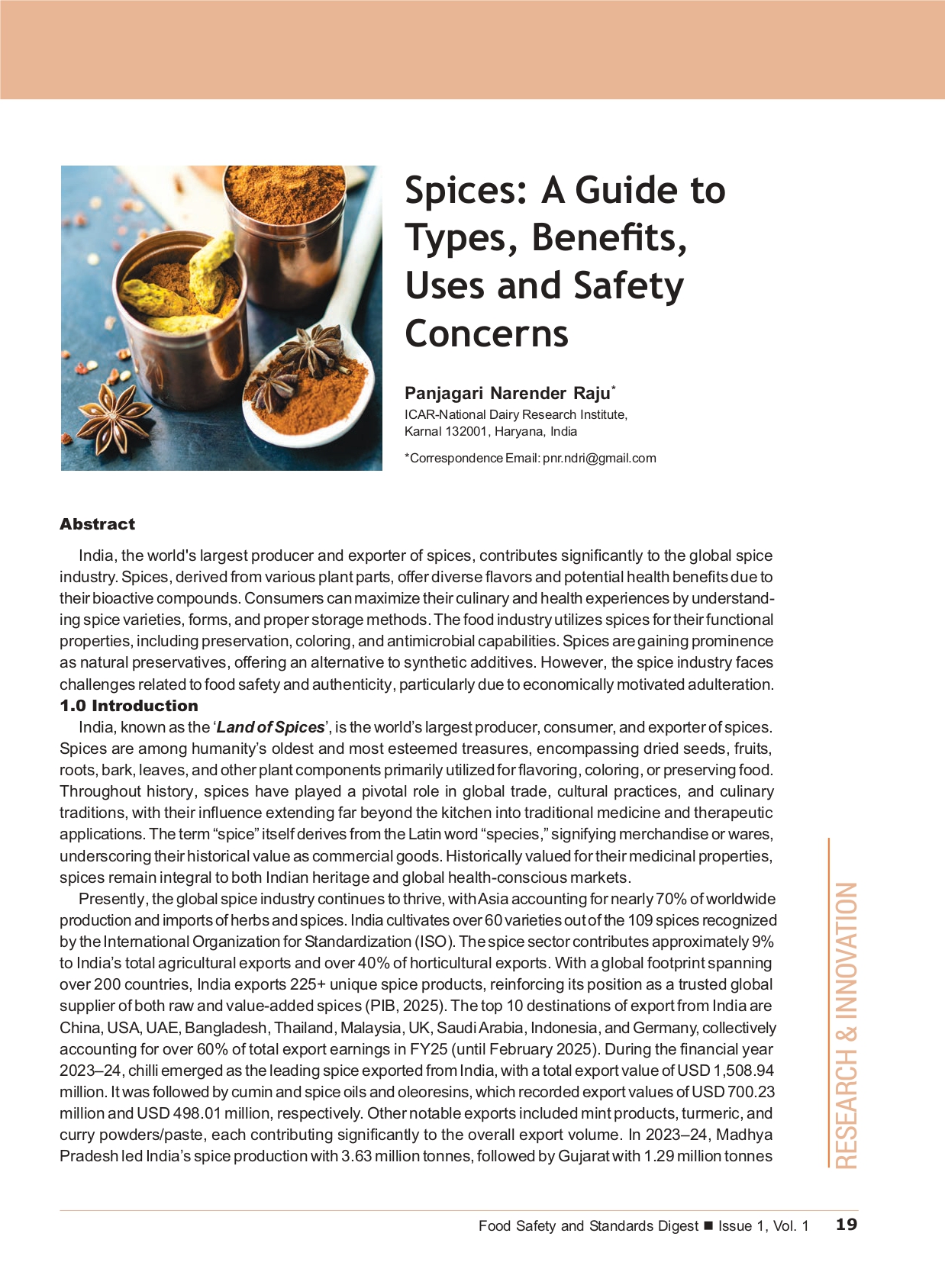
India, known as the 'Land of Spices', is the world's largest producer, consumer, and exporter of spices. Spices are among humanity's oldest and most esteemed treasures, encompassing dried seeds, fruits, roots, bark, leaves, and other plant components primarily utilized for flavoring, coloring, or preserving food. Throughout history, spices have played a pivotal role in global trade, cultural practices, and culinary traditions, with their influence extending far beyond the kitchen into traditional medicine and therapeutic applications. The term "spice" itself derives from the Latin word "species," signifying merchandise or wares, underscoring their historical value as commercial goods. Historically valued for their medicinal properties, spices remain integral to both Indian heritage and global health-conscious markets.
Presently, the global spice industry continues to thrive, with Asia accounting for nearly 70% of worldwide production and imports of herbs and spices. India cultivates over 60 varieties out of the 109 spices recognized by the International Organization for Standardization (ISO). The spice sector contributes approximately 9% to India's total agricultural exports and over 40% of horticultural exports. With a global footprint spanning over 200 countries, India exports 225+ unique spice products, reinforcing its position as a trusted global supplier of both raw and value-added spices (PIB, 2025). The top 10 destinations of export from India are China, USA, UAE, Bangladesh, Thailand, Malaysia, UK, Saudi Arabia, Indonesia, and Germany, collectively accounting for over 60% of total export earnings in FY25 (until February 2025).
During the financial year 2023–24, chilli emerged as the leading spice exported from India, with a total export value of USD 1,508.94 million. It was followed by cumin and spice oils and oleoresins, which recorded export values of USD 700.23 million and USD 498.01 million, respectively. Other notable exports included mint products, turmeric, and curry powders/paste, each contributing significantly to the overall export volume. In 2023–24, Madhya Pradesh led India's spice production with 3.63 million tonnes, followed by Gujarat with 1.29 million tonnes and Andhra Pradesh with 1.28 million tonnes. Rajasthan and Telangana also made significant contributions, producing over 1 million tonnes and 793,000 tonnes, respectively. These top five states play a crucial role in sustaining India's leadership in the global spice market (PIB, 2025).
This comprehensive overview aims to equip consumers with in-depth knowledge regarding spice varieties, their potential health benefits, available forms, industrial applications, and critical safety considerations, thereby enabling informed decision-making and enhanced culinary experiences.
2.0 Diverse Varieties and Types
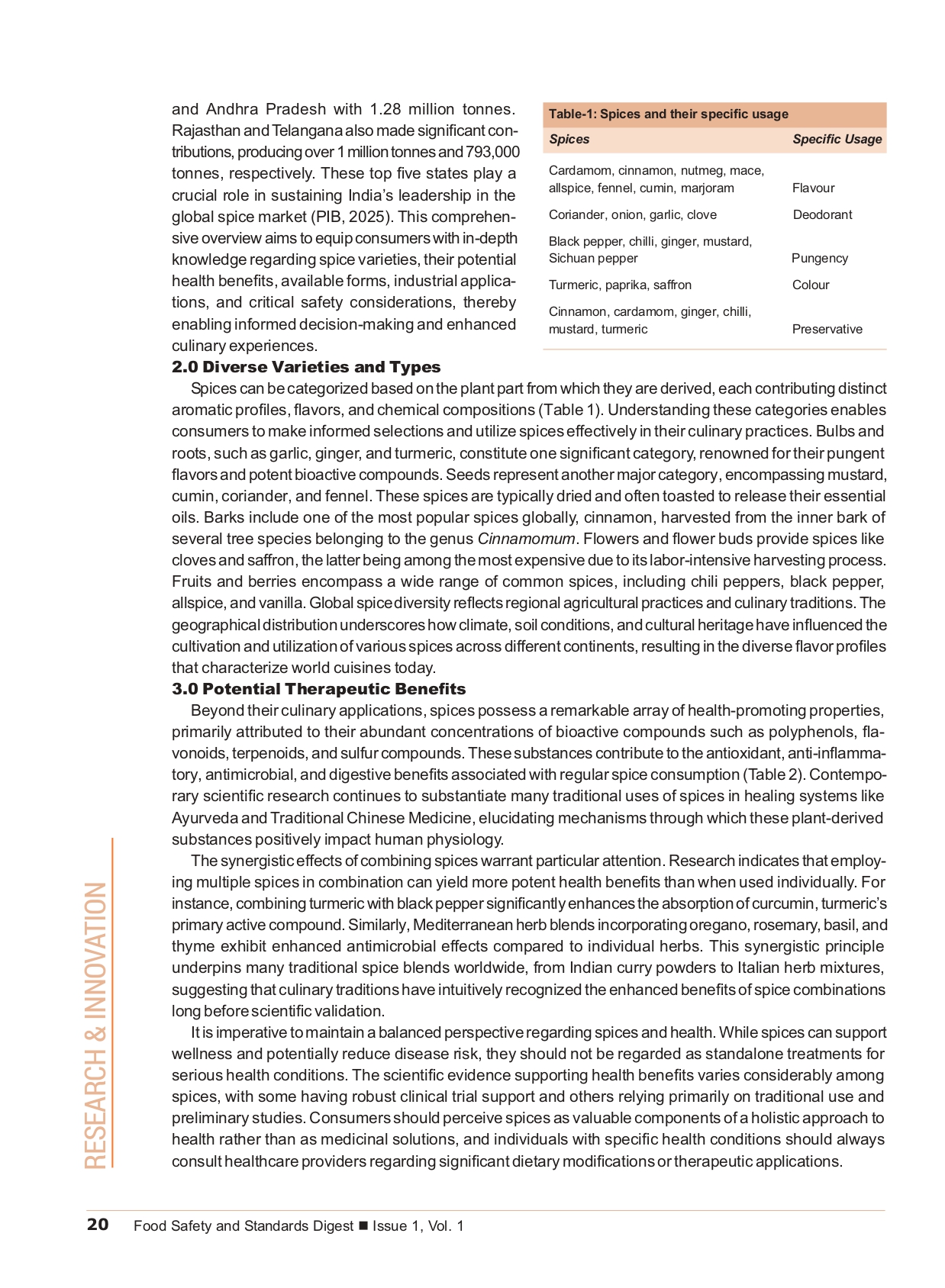
Spices can be categorized based on the plant part from which they are derived, each contributing distinct aromatic profiles, flavors, and chemical compositions (Table 1). Understanding these categories enables consumers to make informed selections and utilize spices effectively in their culinary practices. Bulbs and roots, such as garlic, ginger, and turmeric, constitute one significant category, renowned for their pungent flavors and potent bioactive compounds. Seeds represent another major category, encompassing mustard, cumin, coriander, and fennel. These spices are typically dried and often toasted to release their essential oils. Barks include one of the most popular spices globally, cinnamon, harvested from the inner bark of several tree species belonging to the genus Cinnamomum. Flowers and flower buds provide spices like cloves and saffron, the latter being among the most expensive due to its labor-intensive harvesting process. Fruits and berries encompass a wide range of common spices, including chili peppers, black pepper, allspice, and vanilla.
Global spice diversity reflects regional agricultural practices and culinary traditions. The geographical distribution underscores how climate, soil conditions, and cultural heritage have influenced the cultivation and utilization of various spices across different continents, resulting in the diverse flavor profiles that characterize world cuisines today.
| Spices | Specific Usage |
|---|---|
| Cardamom, cinnamon, nutmeg, mace, allspice, fennel, cumin, marjoram | Flavour |
| Coriander, onion, garlic, clove | Deodorant |
| Black pepper, chilli, ginger, mustard, Sichuan pepper | Pungency |
| Turmeric, paprika, saffron | Colour |
| Cinnamon, cardamom, ginger, chilli, mustard, turmeric | Preservative |
3.0 Potential Therapeutic Benefits
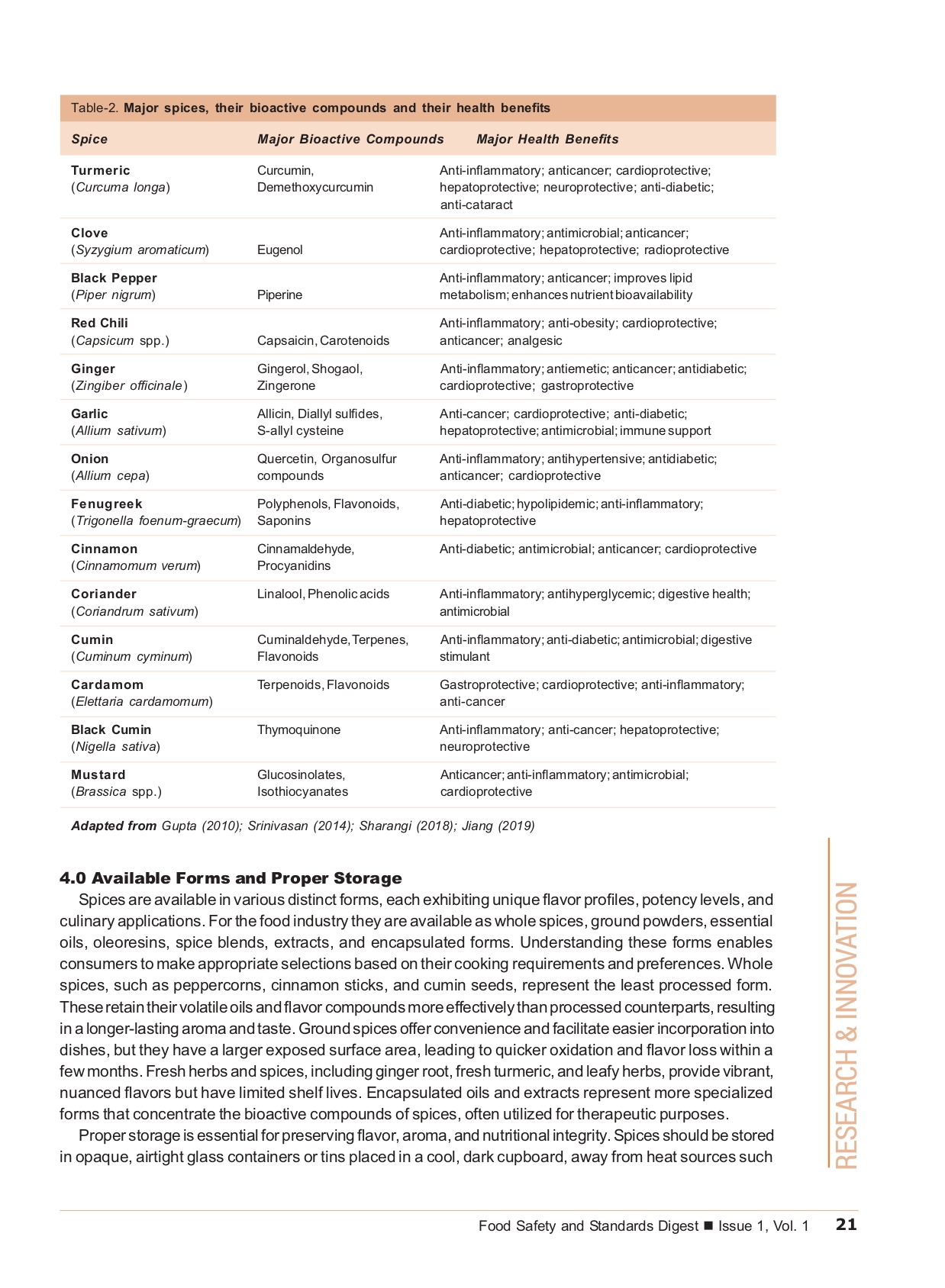
Beyond their culinary applications, spices possess a remarkable array of health-promoting properties, primarily attributed to their abundant concentrations of bioactive compounds such as polyphenols, flavonoids, terpenoids, and sulfur compounds. These substances contribute to the antioxidant, anti-inflammatory, antimicrobial, and digestive benefits associated with regular spice consumption (Table 2). Contemporary scientific research continues to substantiate many traditional uses of spices in healing systems like Ayurveda and Traditional Chinese Medicine, elucidating mechanisms through which these plant-derived substances positively impact human physiology.
The synergistic effects of combining spices warrant particular attention. Research indicates that employing multiple spices in combination can yield more potent health benefits than when used individually. For instance, combining turmeric with black pepper significantly enhances the absorption of curcumin, turmeric's primary active compound. Similarly, Mediterranean herb blends incorporating oregano, rosemary, basil, and thyme exhibit enhanced antimicrobial effects compared to individual herbs. This synergistic principle underpins many traditional spice blends worldwide, from Indian curry powders to Italian herb mixtures, suggesting that culinary traditions have intuitively recognized the enhanced benefits of spice combinations long before scientific validation.
It is imperative to maintain a balanced perspective regarding spices and health. While spices can support wellness and potentially reduce disease risk, they should not be regarded as standalone treatments for serious health conditions. The scientific evidence supporting health benefits varies considerably among spices, with some having robust clinical trial support and others relying primarily on traditional use and preliminary studies. Consumers should perceive spices as valuable components of a holistic approach to health rather than as medicinal solutions, and individuals with specific health conditions should always consult healthcare providers regarding significant dietary modifications or therapeutic applications.
| Spice | Major Bioactive Compounds | Major Health Benefits |
|---|---|---|
| Turmeric (Curcuma longa) | Curcumin, Demethoxycurcumin | Anti-inflammatory; anticancer; cardioprotective; hepatoprotective; neuroprotective; anti-diabetic; anti-cataract |
| Clove (Syzygium aromaticum) | Eugenol | Anti-inflammatory; antimicrobial; anticancer; cardioprotective; hepatoprotective; radioprotective |
| Black Pepper (Piper nigrum) | Piperine | Anti-inflammatory; anticancer; improves lipid metabolism; enhances nutrient bioavailability |
| Red Chili (Capsicum spp.) | Capsaicin, Carotenoids | Anti-inflammatory; anti-obesity; cardioprotective; anticancer; analgesic |
| Ginger (Zingiber officinale) | Gingerol, Shogaol, Zingerone | Anti-inflammatory; antiemetic; anticancer; antidiabetic; cardioprotective; gastroprotective |
| Garlic (Allium sativum) | Allicin, Diallyl sulfides, S-allyl cysteine | Anti-cancer; cardioprotective; anti-diabetic; hepatoprotective; antimicrobial; immune support |
| Onion (Allium cepa) | Quercetin, Organosulfur compounds | Anti-inflammatory; antihypertensive; antidiabetic; anticancer; cardioprotective |
| Fenugreek (Trigonella foenum-graecum) | Polyphenols, Flavonoids, Saponins | Anti-diabetic; hypolipidemic; anti-inflammatory; hepatoprotective |
| Cinnamon (Cinnamomum verum) | Cinnamaldehyde, Procyanidins | Anti-diabetic; antimicrobial; anticancer; cardioprotective |
| Coriander (Coriandrum sativum) | Linalool, Phenolic acids | Anti-inflammatory; antihyperglycemic; digestive health; antimicrobial |
| Cumin (Cuminum cyminum) | Cuminaldehyde, Terpenes, Flavonoids | Anti-inflammatory; anti-diabetic; antimicrobial; digestive stimulant |
| Cardamom (Elettaria cardamomum) | Terpenoids, Flavonoids | Gastroprotective; cardioprotective; anti-inflammatory; anti-cancer |
| Black Cumin (Nigella sativa) | Thymoquinone | Anti-inflammatory; anti-cancer; hepatoprotective; neuroprotective |
| Mustard (Brassica spp.) | Glucosinolates, Isothiocyanates | Anticancer; anti-inflammatory; antimicrobial; cardioprotective |
Adapted from Gupta (2010); Srinivasan (2014); Sharangi (2018); Jiang (2019)
4.0 Available Forms and Proper Storage
Spices are available in various distinct forms, each exhibiting unique flavor profiles, potency levels, and culinary applications. For the food industry they are available as whole spices, ground powders, essential oils, oleoresins, spice blends, extracts, and encapsulated forms. Understanding these forms enables consumers to make appropriate selections based on their cooking requirements and preferences. Whole spices, such as peppercorns, cinnamon sticks, and cumin seeds, represent the least processed form. These retain their volatile oils and flavor compounds more effectively than processed counterparts, resulting in a longer-lasting aroma and taste. Ground spices offer convenience and facilitate easier incorporation into dishes, but they have a larger exposed surface area, leading to quicker oxidation and flavor loss within a few months. Fresh herbs and spices, including ginger root, fresh turmeric, and leafy herbs, provide vibrant, nuanced flavors but have limited shelf lives. Encapsulated oils and extracts represent more specialized forms that concentrate the bioactive compounds of spices, often utilized for therapeutic purposes.
Proper storage is essential for preserving flavor, aroma, and nutritional integrity. Spices should be stored in opaque, airtight glass containers or tins placed in a cool, dark cupboard, away from heat sources such as stoves or other heat sources, as heat rapidly degrades their antioxidant components. For spices used infrequently, freezing in airtight containers provides excellent preservation, although frozen spices should be brought to room temperature before opening to prevent condensation. Ground spices typically maintain optimal flavor for 3–6 months, while whole spices can retain quality for up to a year. Regularly dating purchases and conducting occasional "sniff tests" help ensure spices have not lost their characteristic pungency. Adhering to these storage practices enables consumers to maximize both the culinary and health benefits of their spice collections.
5.0 Applications in the Food Industry
The food industry utilizes spices for various purposes beyond mere flavor enhancement. These applications leverage the functional properties of spices, including their preservative, coloring, and antimicrobial capabilities. As consumer preferences shift towards clean-label products, spices have regained significance as natural alternatives to synthetic additives, aligning with demands for more transparent ingredient lists and healthier food options.
One notable industrial application pertains to food preservation and shelf-life extension. Numerous spices contain compounds with demonstrated antimicrobial properties that inhibit the growth of bacteria, fungi, and other microorganisms responsible for food spoilage. For instance, cloves, cinnamon, and oregano have been shown to prevent the oxidation of fats and oils in food products, thereby extending their edibility. This natural preservative capability originates from bioactive components such as eugenol in cloves, cinnamaldehyde in cinnamon, and thymol in oregano. Research continues to investigate the efficacy of spice extracts and essential oils against specific foodborne pathogens, with the objective of developing effective natural preservation systems that reduce reliance on synthetic antimicrobials.
The flavor-enhancing role of spices remains fundamental to processed food development. Spices contribute depth and complexity to food products by stimulating various receptors on the tongue and nose. Beyond basic flavoring, spices serve as natural colorants in numerous applications — turmeric provides a vibrant yellow-orange hue, paprika contributes reddish tones, and saffron imparts its distinctive golden color. Furthermore, spices increasingly function as salt and sugar replacements in reformulated products aimed at addressing health concerns related to excessive sodium and sugar consumption. By providing robust flavor without adding sodium or calories, spices enable manufacturers to create healthier product profiles while maintaining consumer acceptability.
5.1 Emerging Applications in New Product Development, Preservation, and Packaging
Spices and spice extracts have traditionally been esteemed for their distinctive flavor, aroma, and color. However, recent scientific advancements have unveiled their substantial potential as natural functional ingredients in contemporary food systems. The heightened consumer demand for clean-label, minimally processed foods, along with apprehensions regarding synthetic additives, has propelled interest in spices as natural sources of bioactive compounds. Their burgeoning applications now transcend conventional culinary applications into novel food product development, food preservation, and active food packaging.
In the realm of new product development, spices and their extracts are being incorporated not only for sensory enhancement but also to provide functional health benefits. Phytochemicals such as polyphenols, flavonoids, carotenoids, capsaicinoids, and essential oils exhibit potent antioxidant, anti-inflammatory, and antimicrobial properties. Functional foods enriched with spice extracts, including turmeric beverages, cinnamon-infused dairy products, ginger-based ready-to-drink formulations, and chili-flavored snacks, are increasingly marketed for their nutraceutical appeal. Microencapsulation technologies facilitate controlled release and enhance the stability of sensitive spice bioactives, expanding their application in bakery, dairy, and meat products. Additionally, novel extraction techniques such as supercritical CO₂ extraction, ultrasound-assisted extraction, and green solvents enable efficient isolation of concentrated extracts with standardized bioactive profiles, ensuring consistent functional performance in food matrices.
Spices are gaining prominence as natural preservatives, offering an alternative to synthetic antioxidants and antimicrobials. Extracts from clove, oregano, thyme, rosemary, and cinnamon demonstrate broad-spectrum antimicrobial activity against foodborne pathogens and spoilage organisms, thereby extending product shelf-life. Essential oils rich in compounds such as eugenol, thymol, carvacrol, and cinnamaldehyde inhibit microbial growth, delay lipid oxidation, and prevent rancidity in high-fat foods. Their incorporation into meat, poultry, seafood, and dairy-based products has resulted in significant improvements in storage stability. Furthermore, synergistic combinations of spice extracts with other natural hurdles, such as organic acids, bacteriocins, and mild heat treatments, enhance their preservative efficacy. Encapsulation technologies and nanoemulsion systems address challenges related to flavor intensity, volatility, and instability, enabling controlled release and improved functional performance.
The incorporation of spice-based bioactive compounds drives the rapid expansion of the food packaging industry. Active and intelligent packaging technologies are being developed using biodegradable films infused with essential oils, oleoresins, and spice extracts. These films serve as natural antimicrobial and antioxidant barriers, reducing microbial contamination and oxidative spoilage while eliminating the need for chemical preservatives. Edible coatings containing turmeric, cinnamon, black pepper, or oregano extracts have demonstrated promising results in preserving the quality of fruits, vegetables, dairy products, and meats during storage. Advancements in nanotechnology enable the incorporation of nano-encapsulated spice-derived compounds into polymer matrices, facilitating controlled migration, enhanced mechanical properties, and extended functional activity. This packaging approach aligns with sustainability goals by replacing petrochemical-based preservatives and synthetic films with biodegradable, bioactive alternatives.
The growing applications of spices and spice extracts underscore their multifaceted role within contemporary food systems. Their incorporation into food formulations, preservation strategies, and packaging systems not only contributes to product safety, shelf-life extension, and sensory enhancement but also aligns with consumer preferences for natural and health-promoting ingredients. Continued research on purification technologies, toxicity assessment, sensory optimization, and regulatory compliance will expedite their adoption in commercial food applications and facilitate the development of innovative, sustainable, and functional food products.
6.0 Concerns of Food Safety and Adulteration
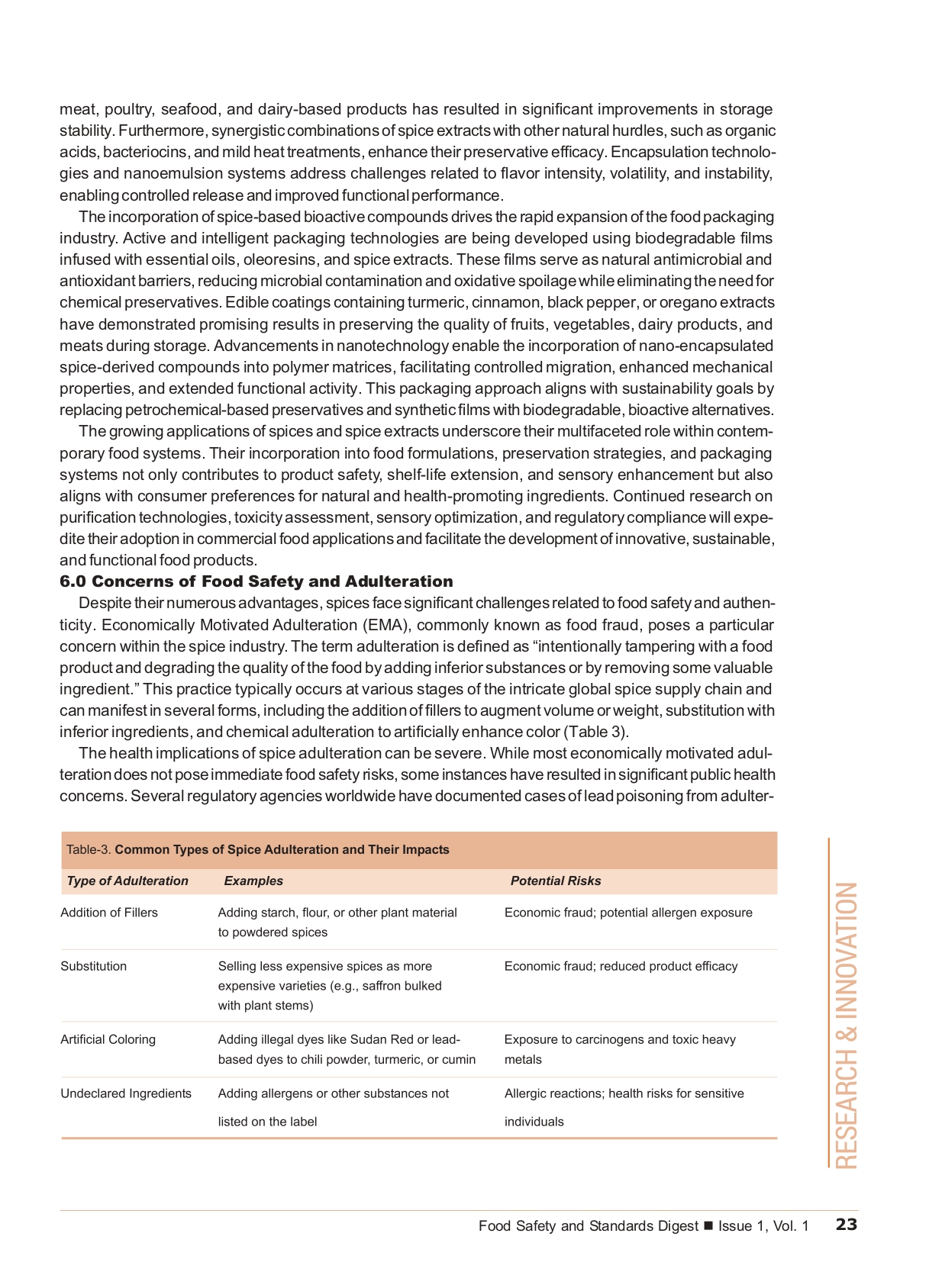
Despite their numerous advantages, spices face significant challenges related to food safety and authenticity. Economically Motivated Adulteration (EMA), commonly known as food fraud, poses a particular concern within the spice industry. The term adulteration is defined as "intentionally tampering with a food product and degrading the quality of the food by adding inferior substances or by removing some valuable ingredient." This practice typically occurs at various stages of the intricate global spice supply chain and can manifest in several forms, including the addition of fillers to augment volume or weight, substitution with inferior ingredients, and chemical adulteration to artificially enhance color.
The health implications of spice adulteration can be severe. While most economically motivated adulteration does not pose immediate food safety risks, some instances have resulted in significant public health concerns. Several regulatory agencies worldwide have documented cases of lead poisoning from adulterated spices and allergic reactions to hidden, substituted ingredients. Several factors contribute to the susceptibility of spices to fraud. Their typically powdered form renders visual detection of adulteration exceedingly challenging. The high value-to-weight ratio of certain spices creates economic incentives for adulteration, while intricate global supply chains with multiple intermediaries provide opportunities for fraudulent activity.
Recognizing these vulnerabilities, regulators and industry organizations have implemented various prevention measures. Regulatory agencies employ a combination of routine monitoring, advanced detection technologies (including DNA sequencing and food analytical chemistry), and regulatory actions to combat spice fraud. The food industry utilizes supplier verification programs, rigorous testing protocols, and traceability systems to ensure spice quality and authenticity throughout the supply chain.
Consumers can safeguard themselves by purchasing spices from reputable sources, being cautious of unusually low prices for premium spices, and opting for whole spices when feasible, facilitating easier authenticity verification. Furthermore, seeking third-party certifications and supporting companies with transparent sourcing practices can contribute to ensuring spice quality and safety.
7.0 Conclusions
India, the world's largest producer and exporter of spices, contributes significantly to the global spice industry. Spices, derived from various plant parts, offer diverse flavors and potential health benefits due to their bioactive compounds. While spices can enhance culinary experiences and potentially support wellness, they should be viewed as part of a holistic approach to health rather than standalone treatments. Spices, available in various forms like whole, ground, and encapsulated, offer unique flavors and culinary applications. Proper storage in airtight containers away from heat preserves their flavor and nutritional integrity. While spices enhance food flavor and offer natural preservation, concerns about food safety and adulteration persist, prompting regulatory and industry efforts to ensure authenticity and quality.
References
Gupta, M. (2010). Pharmacological properties and traditional therapeutic uses of important Indian spices: A review. International Journal of Food Properties, 13(5), 1092–1116. https://doi.org/10.1080/10942910902963271
Jiang, T. A. (2019). Health benefits of culinary herbs and spices. Journal of AOAC International, 102(2), 395–411. https://doi.org/10.5740/jaoacint.18-0418
Press Information Bureau. (2025). Trading aromas: The rise of the spice economy. Government of India.
Sharangi, A. B. (Ed.). (2018). Indian spices: The legacy, production and processing of India's treasured export. Springer.
Srinivasan, K. (2014). Antioxidant potential of spices and their active constituents. Critical Reviews in Food Science and Nutrition, 54(3), 352–372. https://doi.org/10.1080/10408398.2011.585525